
VENTURE CAPITAL DEAL TERMS COURSE
Understand What Your VC Deal Terms Will Actually Do — Before You Sign
Learn how valuation, dilution, liquidation preferences, anti-dilution provisions and control rights affect ownership, decision-making and returns across future funding rounds and exits.
50+ concise lessons
Practical scenarios
50+ concise lessons
Practical scenarios
4.5 hours of video
Unlimited access
4.5 hours of video
Unlimited access
One-time payment · Start immediately · Satisfaction guarantee
Volume discounts up to 40%
Watch a sample lesson
Get a feel for the course by watching this sample lesson on liquidation preferences.
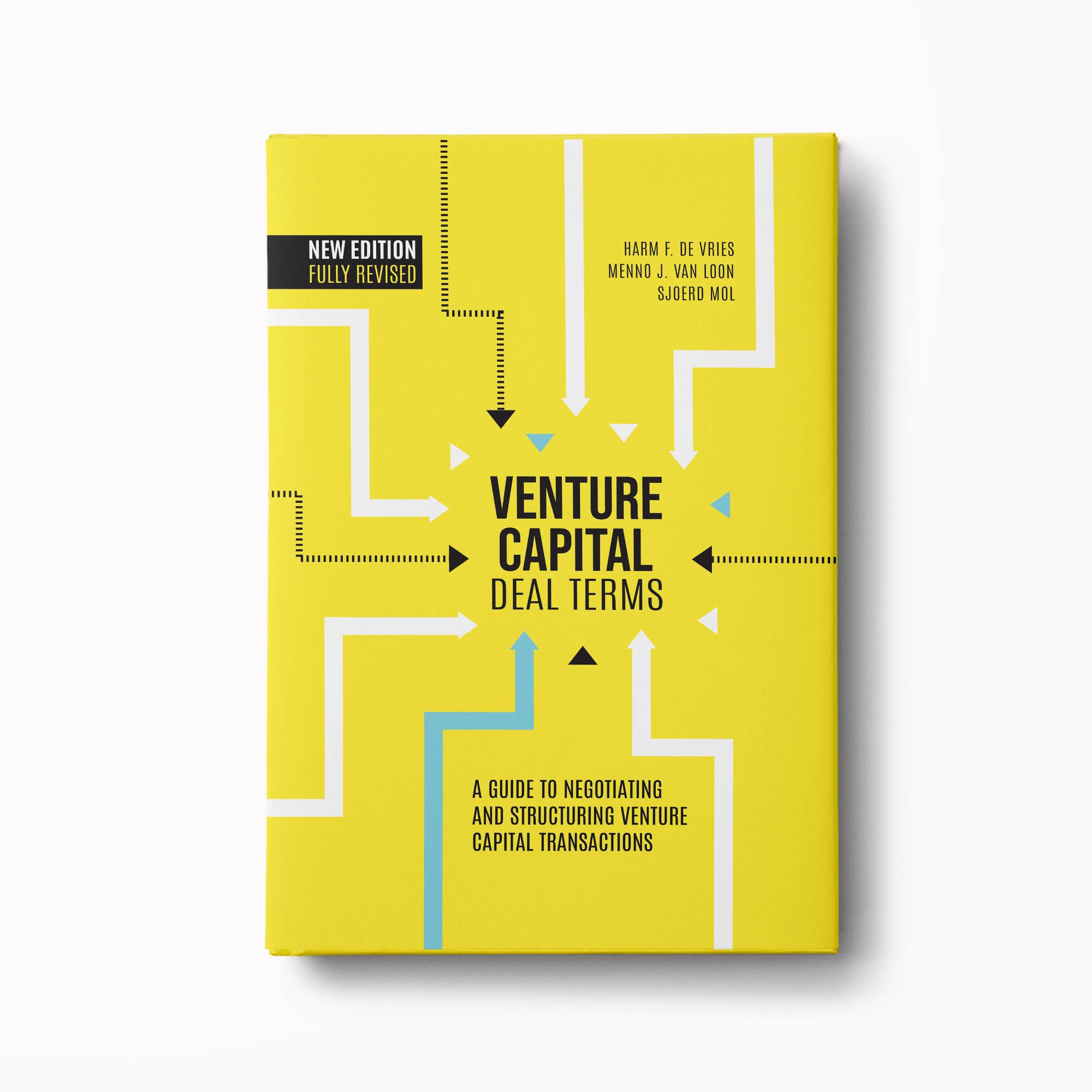
Created by two of the authors of the internationally recognised reference guide Venture Capital Deal Terms. More than 15,000 copies sold.
course overview
Why this course exists
Professional VC Deal Terms Education, at Your Own Pace
Format
Self-paced online course
Course Content
50+ concise video lessons across 12 modules
Video duration
Approximately 4.5 hours
Assessment
Interactive quizzes
Certificate
Certificate of Completion upon meeting the course requirements
Access
Unlimited access
Participants follow the course individually and at their own pace. There are no scheduled group sessions and participants do not need to start or complete the course at the same time.
Many mistakes begin with deal terms that seem perfectly clear
Avoid costly surprises before they're locked into the deal
Only future events reveal the true consequences of venture capital deal terms. Through practical examples, realistic scenarios and interactive exercises, you'll learn to anticipate those consequences before they become costly surprises. Complete the course in one focused day—or entirely at your own pace - and learn to anticipate tomorrow's outcomes before they become today's mistakes.
reviews
What our learners say
"The course is clear and thorough - a truly excellent resource."
Helen Ryan
Associate, Stevens&Bolton LLP
"I had already read many books about venture capital and term sheets, but I was missing the practical side. In this course I found exactly what I was looking for: clear explanations and plenty of examples to practise with, which really helps the knowledge stick."
Mara van der Ven
Business Angel, AtVenture Platform
"Clear, practical and great for anyone who wants to get up to speed on VC deal terms. Highly recommended."
Patrick Kerssemakers
Co-founder and Managing Partner, DFF Ventures
Co-founder and Managing Partner, DFF Ventures
"A great — and quick — way to get up to speed on VC deal terms."
Rogier Ketelaars
Investment Manager, Innovation Industries
“The course offers a very pragmatic, top-to-bottom deconstruction of a term sheet, helping participants understand the intent behind each clause. The course is structured around the book “Venture Capital Deal Terms”. I would argue it’s a must for all practitioners new to the field or those looking for a refresher.”
Julian van der Merwe
Investment Principal, Fairtree Elevant Ventures
"Super insightful! VC deal terms are finally explained in a way that's understandable and actionable. Ideal for investors, founders, and anyone aiming to get a better understanding of deal terms."
Maud Vermeulen
Investment Analyst, GEC Capital
Why this course exists
A Deal Term Can Look Perfectly Clear — Until Events Put It into Action
Most costly venture capital mistakes are caused by terms people believe they understand. Their real effect becomes clear only after future events unfold. This course will help you to anticipate what important terms are likely to do when circumstances change.
Practical outcomes
See Beyond the Words in the Term Sheet
Understand the economics
See how valuation, dilution, liquidation preferences and other provisions affect ownership and returns.
Test future scenarios
Analyze how the same provision may work in an up round, down round, subsequent financing or exit.
Recognize control
Understand where decision-making power sits after the investment has closed.
Understand the deal from both sides of the table
Understand why founders and investors may assess the same term differently — and why it matters.
Identify what matters
Distinguish material provisions from routine drafting and recognize the questions that deserve closer attention.
Approach negotiations with confidence
Enter discussions with a structured understanding of the deal terms, their consequences and the interests of the parties involved.
Who this course is for
One Course. Different Professional Perspectives.
The course is designed for founders, investors, lawyers, advisors and other professionals who work with, advise on or want to better understand venture capital deal terms. In addition to explaining how the terms work, the course shows how the same provisions can affect different parties to a transaction.
Founders & Startup Leaders
Understand how financing terms may affect ownership, economic outcomes and control — now and in future rounds.
Angel Investors
See how future institutional rounds and investor rights can affect your position and returns.
VC & Corporate Venture Professionals
Strengthen your ability to analyze, structure and explain venture capital deal structures.
Lawyers, Advisors & Consultants
Connect contractual wording to its practical commercial and financial consequences.
The complete course
A Comprehensive VC Deal Terms Course You Can Follow at Your Own Pace
The course consists of 50+ concise video lessons across 12 modules, with approximately 4.5 hours of video content. You can work through the course in one focused day or spread it over a longer period. Your access does not expire.
50+ concise lessons
Practical examples and interactive quizzes
Optional multi-round case study
Term-sheet template, cap-table model and glossary
Certificate of Completion
Ask the Authors and Molo Academy Community access
The Curriculum
Module 1: Foundational Elements of Venture Capital Investment
Module 1 covers three foundational elements of venture capital term sheets. In the Issuer video, you'll learn about legal entity structure, learning why limited liability companies are the global standard and how to select optimal structures across different jurisdictions. Amount of Financing teaches you to balance growth needs with equity preservation, identifying value inflection points and avoiding under or over-funding pitfalls. Milestones introduces sophisticated milestone structuring techniques that align investor and entrepreneur interests through performance targets, covering both investment and valuation milestones.
Module 2: Investment Structure and Security Design
Module 2 explores the operational mechanics of venture capital transactions through three key term sheet clauses. In the Investors video, you'll learn about investor syndication, understanding how lead investors coordinate with co-investors to share risks, leverage collective expertise, and build strategic partnerships across corporate VCs, angels, and government funds. Type of Security covers the critical distinction between equity and debt instruments, from preferred shares and their protective features to bridge loans, convertible notes, and SAFE structures. Warrant Coverage teaches sophisticated incentive mechanisms, including warrant calculations, cashless exercise options, and strategic implementation that aligns investor-entrepreneur interests while managing dilution effectively.
Module 3: Valuation and Transaction Mechanics
Module 3 covers the critical elements that bridge deal structure and transaction execution. You'll learn about Share Price and Valuation, understanding how venture capitalists think in ownership percentages rather than absolute values, while learning pre-money versus post-money calculations and avoiding common valuation pitfalls. Capital Structure teaches you to read cap tables as the DNA of equity structures, covering essential components and strategic considerations for future-ready design. Anticipated Closing Date explores the orchestrated process from term sheet to actual investment, including timeline management, escrow mechanics, and maintaining deal momentum. These elements ensure sophisticated structures translate into successful transactions.
Module 4: Investor Rights and Protection
Module 4 explores the protective backbone of venture capital investments through four critical rights mechanisms. You'll learn about preferred Dividends that ensure minimum returns through fixed percentages and cumulative provisions that create escalating claims. Redemption Rights provide exit mechanisms for underperforming investments, functioning as pressure tools and negotiation catalysts. Voluntary Conversion rights offer strategic flexibility to transform preferred shares into common shares when advantageous, particularly during liquidity events. Automatic Conversion rights facilitate IPO transitions by simplifying complex structures for public markets. Together, these mechanisms transform static investments into dynamic instruments that adapt to changing circumstances while protecting investor interests.
Module 5: Advanced Investor Protection Mechanisms
Module 5 explores the most sophisticated protection mechanisms in venture capital. You'll learn about Anti-Dilution protection that shields investors from down round devastation through full ratchet and weighted-average calculations. Pay-to-Play clauses ensure continued investor commitment by penalizing non-participation in future rounds. Liquidation Preferences create exit hierarchies through non-participating, participating, and capped structures that determine distribution priorities. Favorable Terms clauses protect against information asymmetries by ensuring equal treatment across investor groups. Together, these advanced mechanisms address the most challenging scenarios: value dilution, passive participation, unfavorable exits, and unequal treatment while maintaining delicate balance in venture partnerships.
Module 6: Corporate Governance and Control Mechanisms
Module 6 explores corporate governance structures that define decision-making authority in venture-backed companies. You'll learn about Board Representation including one-tier versus two-tier structures, investor nominees versus independent directors, and observer rights as governance alternatives. Voting Rights covers translating ownership into decision-making power through as-if-converted mechanisms and anti-dilution adjustments across different jurisdictions. Consent Rights transforms minority investors into gatekeepers through strategic veto powers over critical decisions, balancing investor protection with operational efficiency. Together, these governance mechanisms ensure capital providers have appropriate voice in decisions affecting their investments while preserving management agility for business operations.
Module 7: Due Diligence, Reporting, and Registration Rights
Module 7 covers due diligence, reporting, and registration mechanisms essential for ongoing investor oversight. You'll learn about Registration Rights that secure public market exit pathways through demand and piggyback mechanisms. Representations and Warranties create contractual guarantees with discovery functions and risk allocation structures. Information Rights establish reporting frameworks for financial and operational transparency, including sustainability requirements. Use of Proceeds ensures responsible capital stewardship by directing funds toward strategic growth. Together, these clauses transform capital deployment into active partnerships with comprehensive monitoring capabilities while preserving operational flexibility for business adaptation and growth.
Module 8: Transfer Rights and Exit Mechanisms
Module 8 completes the venture capital framework with sophisticated transfer and exit mechanisms. You'll learn about the Pre-Emptive Right that protects shareholders from dilution through pro rata participation opportunities. Right of First Refusal provides gatekeeping mechanisms controlling who joins the shareholder table through matching rights. Co-Sale Right ensures shared liquidity through tag-along provisions allowing minority participation in attractive deals. Drag-Along Right enables qualified majorities to compel company-wide exits through powerful enforcement mechanisms. Together, these clauses create comprehensive frameworks for orderly transfers, minority protection, strategic exits, and successful liquidity events while maintaining operational flexibility essential for business growth.
Module 9: Management and Equity Structures
Module 9 focuses on human capital mechanisms that drive venture-backed company success. You'll learn about Executive Board structures balancing investor oversight with operational independence. Employee Pool mechanics create equity incentives for exceptional talent through option pools and alternative structures. Vesting Schemes transform equity into earned ownership through sustained contribution, covering timelines and acceleration provisions. Founder Shares address departure complexities through retroactive vesting and fair value challenges. Lock-Up agreements ensure key stakeholder commitment to long-term success rather than short-term liquidity. Together, these clauses create comprehensive human capital frameworks that transform startup potential into enduring value through aligned incentives and sustained commitment.
Module 10: Employment and Intellectual Property Protection
Module 10 explores legal frameworks protecting company assets and talent relationships in venture capital. You'll learn about Employment Relationships covering agreement essentials and protective covenants. Non-Competition/Non-Solicitation prevents departing talent from leveraging insider knowledge through balanced restriction strategies. Non-Disclosure Agreement provides comprehensive confidentiality protection through information classification and enforcement mechanisms. Assignment Inventions transforms individual innovations into protected company assets through clear ownership frameworks. Key Person Insurance protects against irreplaceable talent loss through strategic coverage and maintenance obligations. Together, these frameworks create essential legal infrastructure protecting intellectual property and human capital throughout venture-backed company development.
Module 11: Transaction Documentation and Exclusivity
Module 11 focuses on the legal architecture that transforms term sheets into enforceable agreements. You'll learn about Agreements at Closing covering investment agreements, shareholders' agreements, and ancillary documentation that create comprehensive legal frameworks. Fees and Expenses examines fair allocation of due diligence costs and transaction expenses across different scenarios. Confidentiality provides narrow but important protection for deal negotiations separate from broader operational NDAs. Exclusivity/No-Shop clauses establish commitment mechanisms preventing competing offers during due diligence periods. Governing Law eliminates legal uncertainty through clear jurisdictional frameworks for contract interpretation and dispute resolution in cross-border transactions.
Module 12: Term Sheet Mechanics and Expiration
Module 12 completes the venture capital framework with essential term sheet mechanics and finalization procedures. You'll learn about Non-Binding Character provisions that maintain legal flexibility while creating moral commitments through selective enforceability. Indemnities address liability allocation for binding clause breaches and finder's fee responsibilities. Conditions Precedent establish final checkpoints including due diligence completion, legal documentation, and internal approvals that must be satisfied before closing. Expiration creates temporal limitations that generate urgency while preventing strategic manipulation through realistic timeframes. Together, these mechanics complete the comprehensive venture capital structure, transforming our systematic journey through term sheets into practical mastery of sophisticated investment frameworks.
Closing of the Course
The closing video in this chapter marks the end of the course.
Case Study (Optional)
This optional Case Study follows New Wave Energy, a fictional company, through multiple investment rounds. This practical example demonstrates how terms evolve and shows real cap table development across funding stages. While not required for passing the exams, we recommend consulting it at any moment during the course when you might want to see these concepts applied in practice.
Experience behind the course
Experience behind the course
Created by Two Authors of Venture Capital Deal Terms
The course combines decades of professional experience with the framework of the internationally recognised reference guide Venture Capital Deal Terms, of which more than 15,000 copies have been sold.

Sjoerd Mol
Sjoerd is a venture capital lawyer at Benvalor, co-author of Venture Capital Deal Terms and author of Startup Funding. He has more than 20 years of experience supporting founders and investors in startup financing.

Menno van Loon
Menno is an independent interim lawyer and co-author of Venture Capital Deal Terms. He has over 30 years of experience in corporate and venture capital law, including experience in investment banking.
The book behind the course
Venture Capital Deal Terms: A Guide to Negotiating and Structuring Venture Capital Transactions is an internationally recognized reference guide used by founders, investors and advisors worldwide, of which more than 15,000 copies have been sold.
included with the course
Tools and Resources to Support Your Learning
Practical VC Deal Toolkit
A standard venture capital term-sheet template, an editable cap-table model and a practical glossary of key VC terms.
Multi-Round Case Study
Follow fictional company New Wave Energy through multiple investment rounds.
See how its cap table and deal terms develop over time — and how decisions made in one round affect founders, existing investors and new investors in later rounds.
Ask the Authors and Community Access
Submit questions about the course and the venture capital deal terms it covers through the Molo Academy Community.
Participant questions may be addressed personally, in a written Q&A, during a live online Q&A session or in another appropriate format.
Course access
Choose the Access Option That Fits Your Needs
Individual access
Unlimited access
Complete course and supporting resources
Certificate eligibility
Ask the Authors and Molo Academy Community access
Start immediately
EUR 399
One-time payment

Satisfaction guarantee: If you purchase individual access and are not satisfied with the course, contact us within seven days of purchase for a full refund.
Access for organizations
For organisations that want to provide course access to multiple employees.
Each employee receives individual access and follows the course independently, at their own pace. Participants do not need to start or complete the course at the same time.
Volume pricing from five participants:
5–9 participants: 20% discount
10–30 participants: 30% discount
31+ participants: 40% discount
For pricing and access arrangements, email:
[email protected]
Please include your organisation’s name and the approximate number of participants.
OPTIONAL PAID ADD-ON
Live Q&A with an Author
Organisations can add periodic live online Q&A sessions with one of the course authors. Participants can revisit the course material, explore how it applies in practice and ask questions arising from their learning.
Available by separate arrangement and at an additional fee. Educational discussion only; no legal advice on specific transactions or circumstances.
Faq
Frequently asked questions
What is included in the Venture Capital Deal Terms Course?
Unlimited access, Ask the Authors access, 50+ modular video lessons, interactive quizzes, Certificate eligibility, downloadable templates and tools, case study, Molo Academy Community access
Who is this course for?
This course is designed for founders, investors, lawyers, consultants, and other professionals who want to understand how venture capital deal terms work. It is also suitable for professionals preparing to enter into a venture capital-related field.
How is the course delivered?
The course is delivered online. Participants can log in from anywhere, follow the lessons in their own time, and continue where they left off.
How long does the course take?
The course contains approximately 4.5 hours of video, plus interactive quizzes and supporting materials. In total, the course contains about the same amount of content as a one-day business school course - but participants can take it entirely at their own pace, pausing, revisiting, and progressing whenever it fits their schedule.
Is the course engaging, or just another lecture?
The course is intentionally designed to keep you engaged. Lessons are short and focused, supported by clear visuals, quizzes, and practical examples that help you apply what you've learned. Instead of long, passive lectures, you learn through engaging content that keeps your attention and helps knowledge stick.
How does Ask the Authors work?
Participants can submit questions about the educational content through the Molo Academy Community. Questions may be selected, combined or addressed in a format chosen by Molo Academy. This does not include legal advice and does not guarantee an individual response.
Can an organization purchase access for several employees?
Yes. Each employee receives individual access and follows the course independently. Volume pricing is available from five participants. Organizations may also arrange paid periodic live online Q&A sessions with one of the authors. Email [email protected] with your organization’s name and approximate number of participants.
The discounts are as follows:
5-9 seats: 20% discount; 10-30 seats: 30% discount; 31+ seats: 40% discount.
Does the course include downloadable tools?
Yes. The course includes a term sheet template, a cap table model and a glossary of key venture capital terms.
How do I receive a Certificate of Completion?
You receive a Certificate of Completion after completing the mandatory course content and the interactive quizzes.
Can this course count toward CPE or CPD requirements?
Completing this course may make you eligible to earn Continuing Professional Education (CPE) or Continuing Professional Development (CPD) credits. Eligibility depends on your jurisdiction and professional association. Please check the applicable requirements to confirm recognition.
Can I connect with other learners?
Yes. Students have access to the online Molo Academy Community.
What is the satisfaction guarantee?
The satisfaction guarantee applies to individual purchases and is valid for 7 days from the purchase. If you are not satisfied with the course, contact us within seven days of purchase for a full refund.
Before you sign the deal
Understand the Consequences Before They Become Irreversible
One-time payment · Unlimited access · Start immediately · Satisfaction guarantee

© 2026 Molo Academy vof
By visiting this page, you agree to our terms and conditions & privacy policy.